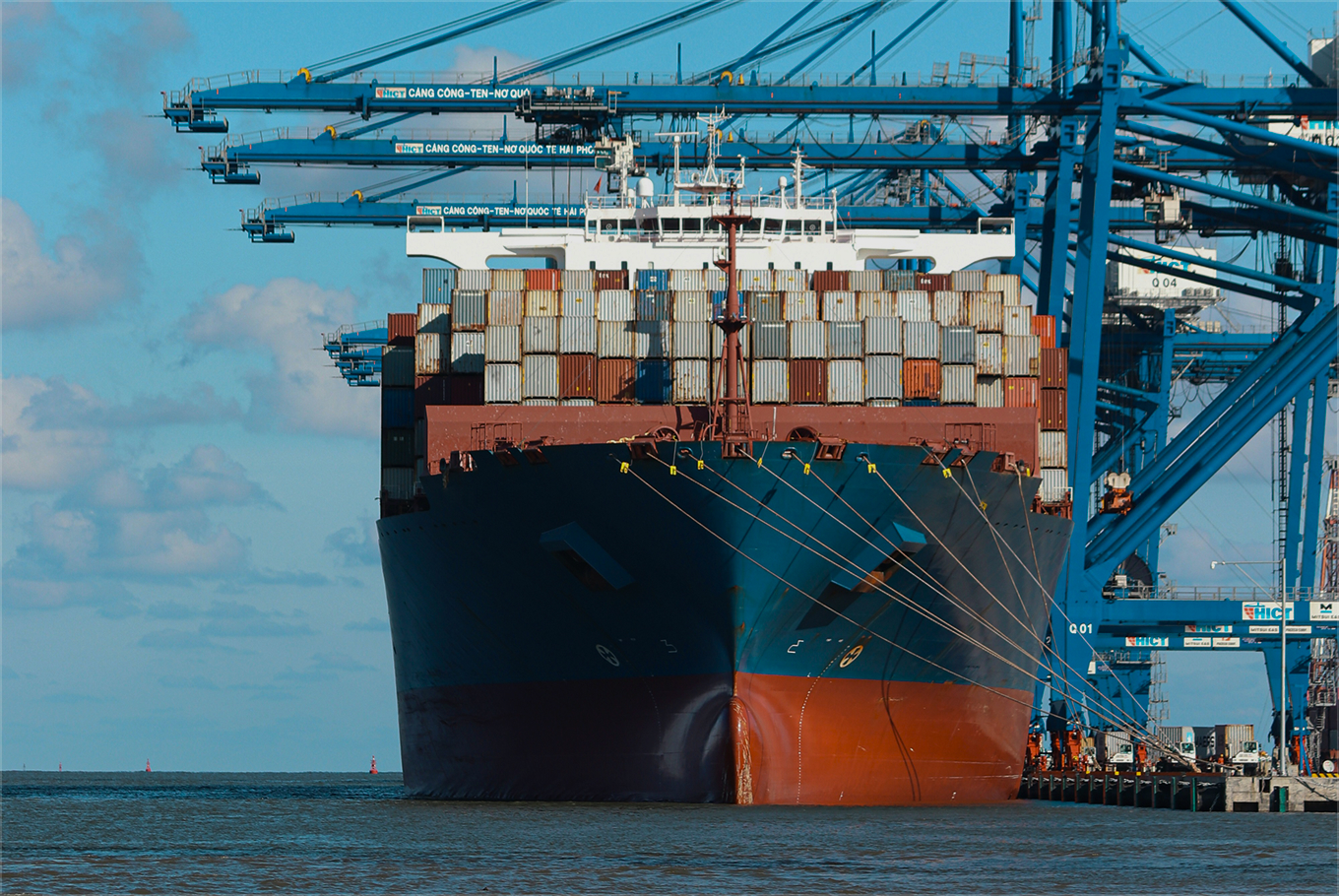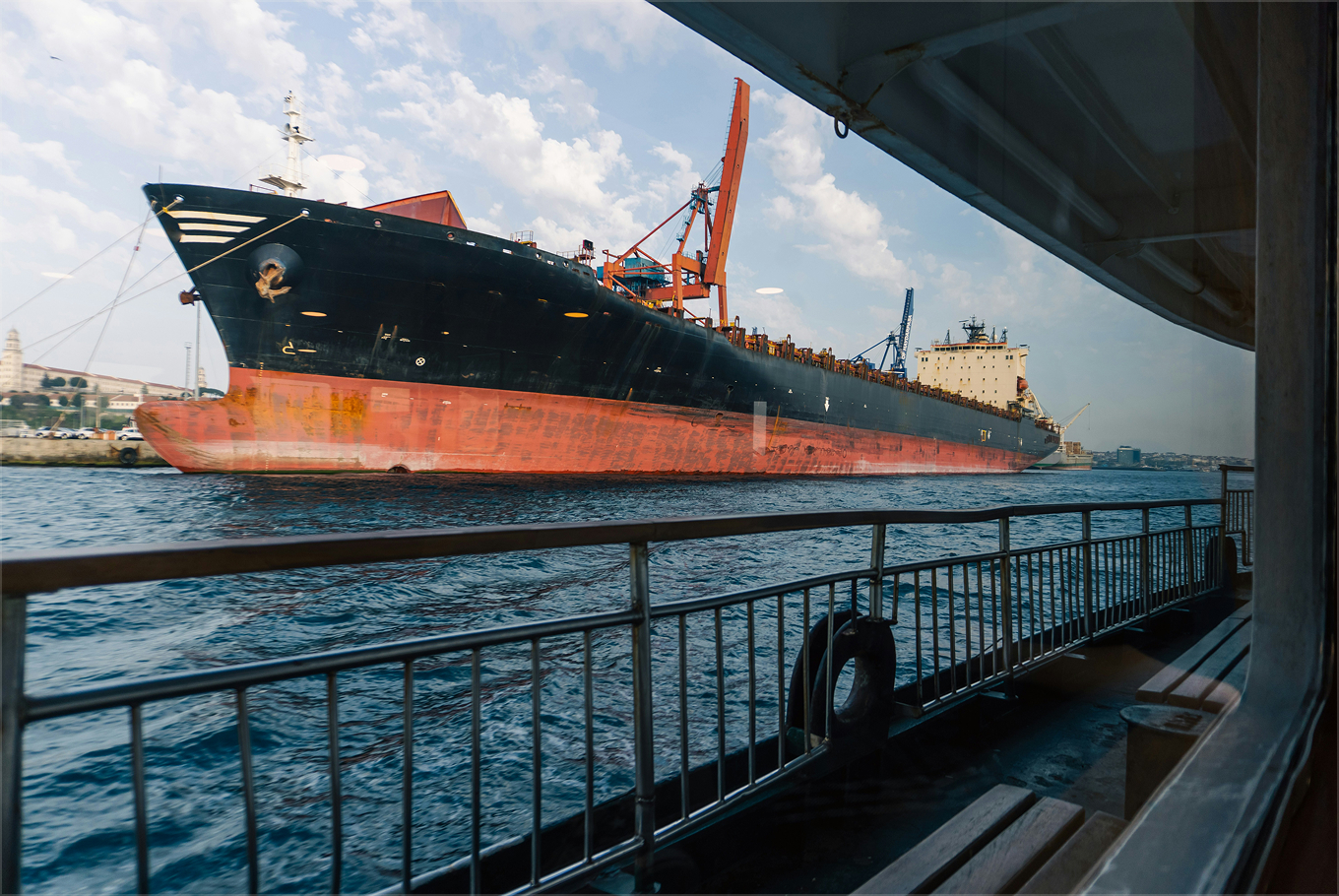
Maritime shipping moves ninety percent of global trade, but the industry can't track its own spare parts. Not reliably, anyway. A typical fleet operator managing fifty to one hundred vessels will tell you they spend somewhere between five hundred thousand to two million dollars per vessel per year on spare parts, stores, and provisions. That's a $150 billion market globally. But if you ask them how much inventory they actually have, where it is, or whether they're carrying too much or too little, you'll get answers that are somewhere between educated guesses and complete fiction.
The problem isn't that maritime operators are careless. It's that the systems they're forced to use were never designed to handle the complexity of what they're actually trying to do. A vessel-based inventory management system needs to track parts across multiple suppliers, multiple forwarders, multiple ports, multiple warehouses, and dozens of vessels that are constantly moving. The data lives in ERP systems on shore, planning and maintenance systems on vessels, supplier portals, forwarder tracking systems, and thousands of email threads. None of these systems talk to each other properly, so operators spend hours each week manually reconciling data that's often already out of date by the time they finish.
The financial impact shows up in three ways, and all of them are painful.
First, there's the excess inventory problem. Because operators can't see what's actually on their vessels or in their warehouses in real time, they over-order. Industry estimates suggest that fleets carry thirty to forty percent more inventory than they actually need, purely as safety stock. That's working capital locked up in parts that may sit unused for years, taking up valuable storage space on vessels and in warehouses. For a typical fleet, that's millions of dollars in unnecessary inventory carrying costs.
Second, there's the emergency procurement problem. When a critical part isn't where the system says it is, operators have to emergency-order replacements. These emergency orders cost two to five times more than planned procurement, and they often require air freight instead of sea freight, adding another layer of cost. Worse, the delays can cause vessel downtime, which for a commercial vessel can mean fifty thousand to one hundred thousand dollars per day in lost revenue or contractual penalties.
Third, there's the hidden cost of manual reconciliation. Operators spend up to forty percent of their time chasing information, updating spreadsheets, and reconciling discrepancies between systems. That's not value-added work, it's administrative overhead created by fragmented data. For a procurement team managing a mid-sized fleet, that's easily hundreds of thousands of dollars per year in labor costs doing work that shouldn't exist in the first place.
Add it all up, and you're looking at five to ten percent of total procurement spend wasted on problems that stem from not having accurate, real-time visibility into inventory.
The natural response is to point at the ERP system or the vessel maintenance software and say "why doesn't this just work?" The answer is that these systems were built for a different problem. They're designed to manage procurement transactions and maintenance schedules, not to synchronize data across a fragmented ecosystem of suppliers, forwarders, warehouses, and vessels.
Most maritime ERPs assume that inventory moves in a relatively linear path from supplier to warehouse to end user. But maritime doesn't work that way. Parts get ordered from suppliers in Europe, consolidated by forwarders in Singapore, air-freighted to meet vessels in South America, and then transferred between vessels during crew changes. The same part might be tracked under different item codes by the customer, the supplier, the forwarder, and the vessel. The landed cost depends on routing decisions that change based on vessel schedules that change based on weather and port congestion. There's no static data model that can capture this complexity, which is why manual reconciliation has always been the fallback.
Some companies have tried to solve this with middleware or integration platforms. The problem is that integration only works if the underlying data is accurate and standardized. When every party in the supply chain uses different item codes, different quality definitions, and different units of measure, connecting the systems just means you're synchronizing garbage faster.
The breakthrough comes from treating this as a data problem, not a software problem. Instead of trying to force everyone onto the same platform or the same item codes, you build a translation layer that understands how all these systems relate to each other.
Here's how it works in practice. When a vessel needs a spare part, the procurement officer creates a request in their ERP using their item code. Our system recognizes that this part has been ordered before, maps it to the supplier's item code automatically, and generates an RFQ. The supplier quotes using their own item code, which our system translates back for comparison. Once the order is placed, we track the shipment across the forwarder's system, updating the vessel and shore teams in real time as it moves through the supply chain. When it arrives on the vessel, we sync the inventory update across all systems, so everyone sees the same information without anyone having to manually enter data multiple times.
The key is that we're not asking anyone to change their systems or their item codes. We're building the translation layer that should have existed all along, using AI to do the fuzzy matching and learning that would take humans months of manual mapping work.
When operators can actually see their inventory in real time, the benefits show up fast. We're seeing customers reduce excess inventory by twenty to thirty percent within the first six months, just by having visibility into what they actually have. Emergency procurement drops by forty to fifty percent because operators can see potential stockouts before they happen and order replacements with normal lead times instead of emergency air freight. Manual reconciliation time drops by sixty to eighty percent because the systems are synchronized automatically, which frees up procurement teams to do actual strategic work instead of data entry.
But the bigger impact is what becomes possible once you have clean, synchronized inventory data. You can start optimizing procurement across the fleet instead of vessel-by-vessel. You can negotiate better terms with suppliers because you have accurate historical usage data. You can consolidate shipments more effectively because you know what's needed where. You can predict maintenance needs before parts fail because you can see patterns in usage across similar vessels.
The inventory visibility problem isn't just costing money, it's preventing fleets from operating strategically. Once you fix the data layer, everything else becomes easier.
For years, the maritime industry has talked about digital transformation and tried to implement new systems that would fix these problems. The reason it hasn't worked is that the technology wasn't good enough. You couldn't build fuzzy matching at scale without modern AI. You couldn't maintain real-time synchronization across disconnected systems without cloud infrastructure. You couldn't learn from millions of transactions without machine learning.
Now you can, and the timing matters because the industry is under pressure from every direction. Carbon regulations are increasing compliance costs. Crew shortages are making efficiency critical. Economic uncertainty is forcing operators to squeeze every dollar of waste out of their operations. The fleets that figure out how to run with accurate inventory visibility and automated procurement will have a structural cost advantage over those still burning hours on manual reconciliation and carrying forty percent excess inventory.
The $150 billion question isn't whether maritime will fix its inventory problem. It's whether you'll be the fleet that figures it out first, or the one that gets consolidated by someone who did.